




Feminist Neighborhood Analysis: Panteion University II
For a second consecutive year, we implemented the cycle of workshops Public Spaces of Athens from a Gender Perspective: Mixed Groups – Urbana.Urbano, creating a shared space for reflection, learning, and collective imagination around everyday urban life.
The second round of workshops brought together 20 participants from Panteion University, alongside people from a wide range of disciplines, including architecture, law, history, and pedagogy. Seven volunteers from the previous year also joined the process, offering continuity, peer support, and valuable experience to the new group.
The workshops aimed to critically explore the structures and qualities of public space in Athens through a gender and everyday life perspective, while collectively developing proposals for their transformation.
Where do we feel comfortable?
Where do we feel safe?
What conditions should public spaces in our city meet?
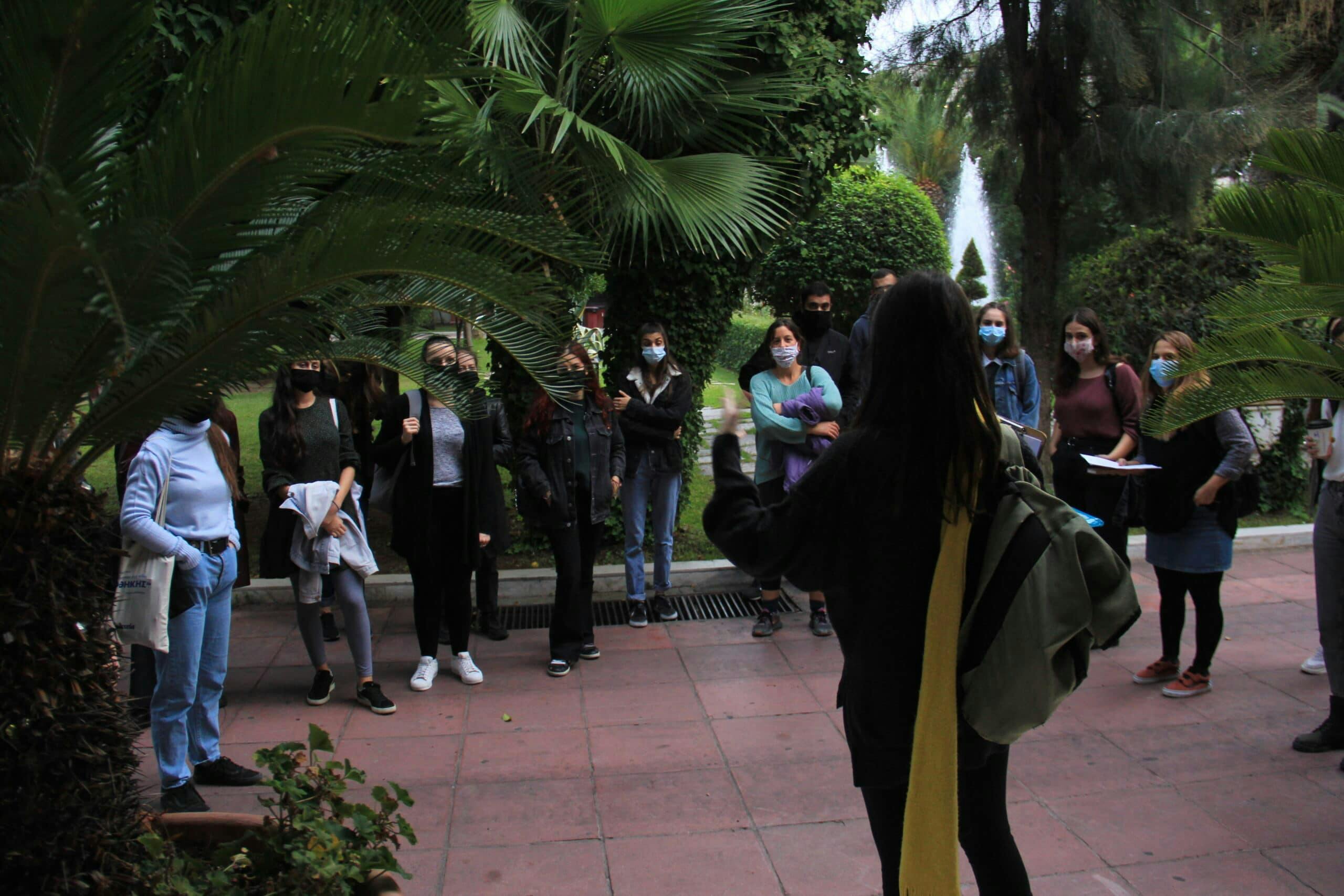
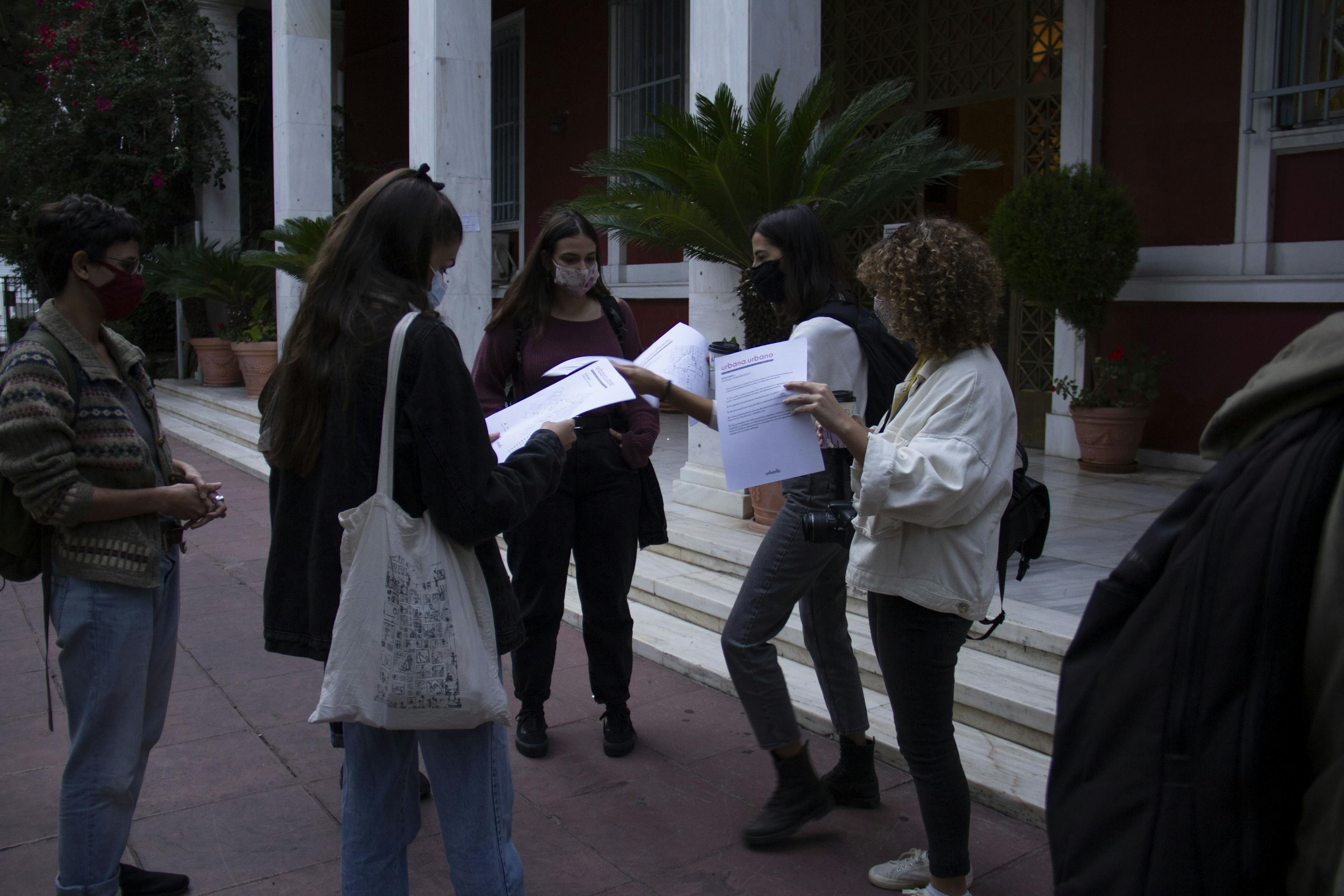
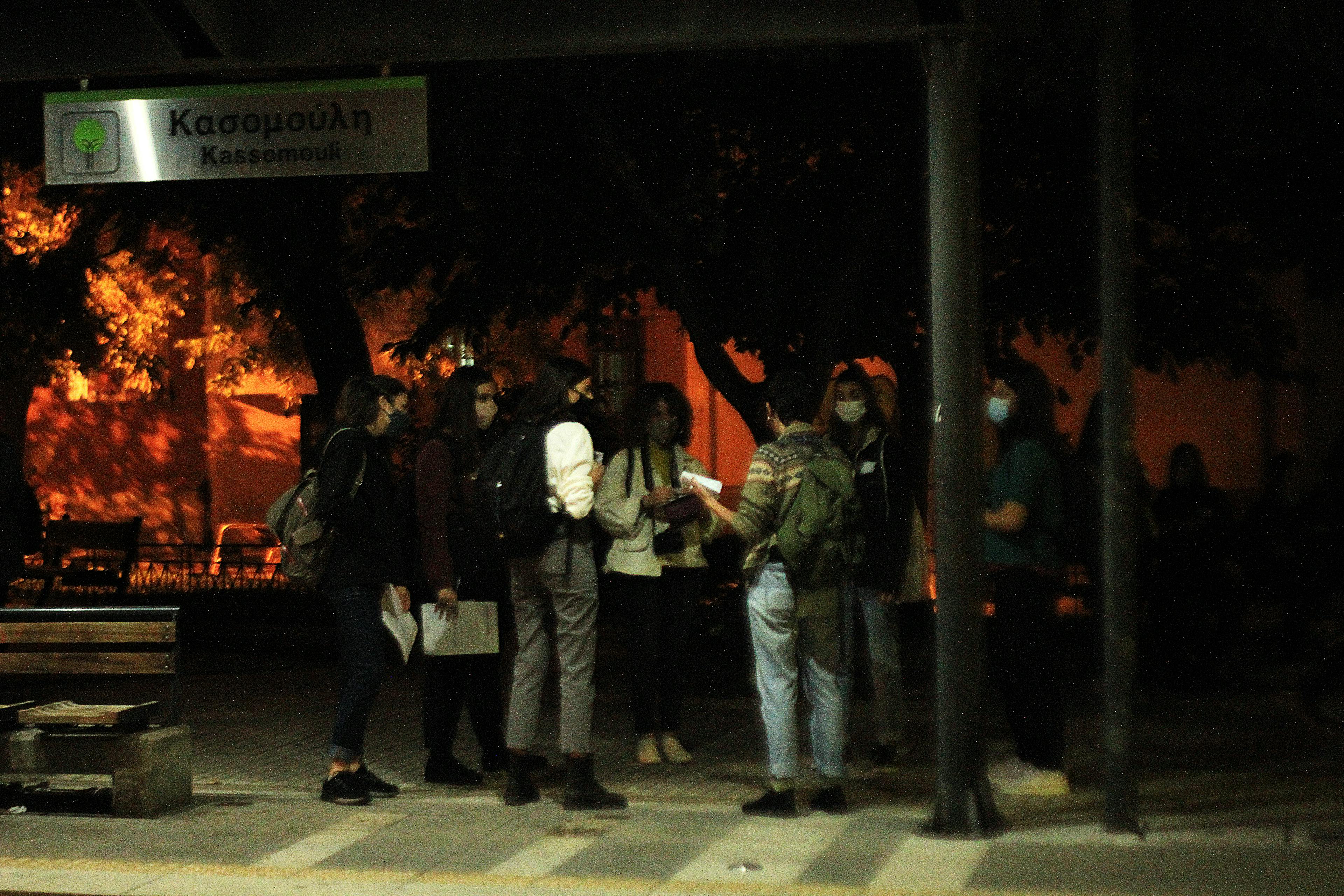
The first workshop of the cycle took place in person, something that offered renewed energy and inspiration. Walking together around the area of Panteion University, participants shared personal experiences of the city. Despite coming from different backgrounds and meeting for the first time, common needs, concerns, and desires quickly emerged.
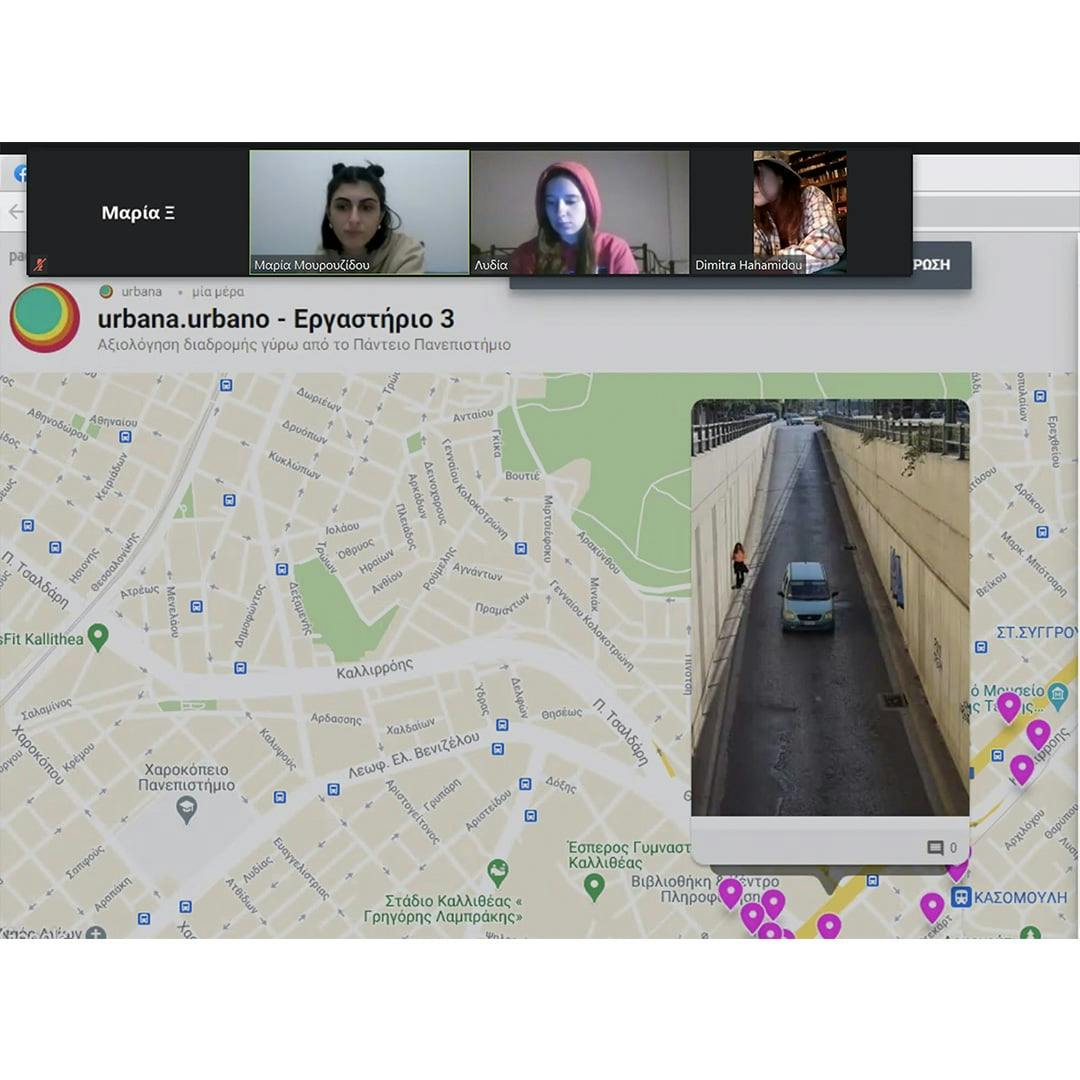
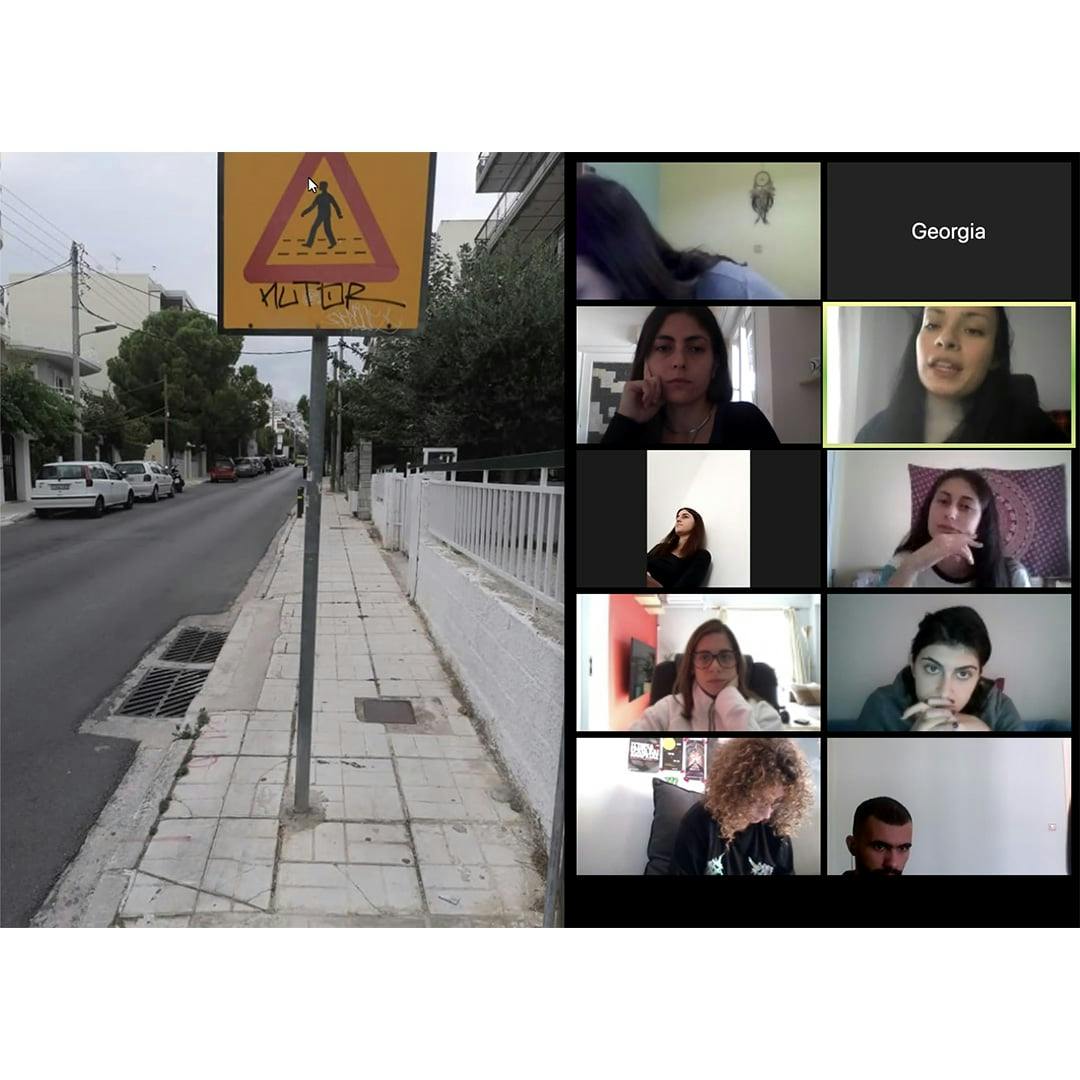
The following workshops were held online, allowing participants to organise and deepen their empirical knowledge through shared theoretical frameworks, tools, and methods. Drawing on gender sensitive indicators and principles of feminist urban planning, participants analysed their own neighbourhoods from their homes and developed concrete suggestions for improvement.
At the end of the cycle, participants shared their findings with the group and collectively documented their observations on a digital map. They also developed specific spatial proposals addressing challenges identified in their neighbourhoods. In total, 21 neighbourhoods across 11 municipalities of the metropolitan area of Athens were analysed through a gender perspective.
The material produced through this collective process was compiled into an online booklet, documenting the analyses, reflections, and proposals that emerged from the workshops.
The project was developed in collaboration with Equal Saree.
Period: November 2020
The project was funded by the Hellenic Ministry of Culture and Sports and implemented with the support of the Gender Studies Laboratory of Panteion University.