ELABORATOR
How do we design sustainable urban mobility that is inclusive, safe and affordable as we move towards the realisation of European climate neutral cities?
Do we all move in the same way and with the same means of transport?
What are people's needs and how can these be reconciled with green policies to reduce urban pollutants?
People's mobility is different. Factors such as people's daily needs, their gender, their economic status, their citizenship, the tasks or care work they do in public spaces, their age and their health status all influence their daily movements.
Effective mobility planning in the city means that it serves the needs and desires of all its residents and visitors in a comprehensive way.
The ELABORATOR interventions will be demonstrated in 6 Lighthouse and 6 Follower cities across Europe with three principal aims:
i) to collect, assess and analyse user needs and requirements towards safer and more inclusive mobility and climate-neutral cities,
ii) to collect and share rich information sets made of real data, traces from dedicated toolkits, users’ and stakeholders’ opinions, so as to increase the take up of the innovations via a twinning approach, and
iii) to generate detailed guidelines, policies, future roadmap and built capacity for service providers, planning authorities and urban designers for the optimum integration of such inclusive and safe mobility interventions into Sustainable Urban Mobility Plans (SUMPs).
The Lighthouse cities are: Milan (Italy), Copenhagen (Denmark), Helsinki (Finland), Issy-les-Moulineaux (France), Zaragoza (Spain), and Trikala (Greece).
The Follower cities are: Lund (Sweden), Liberec (Czech Republic), Velejne (Slovenia), Ioannina (Greece), Split (Croatia), and Krusevac (Serbia).
URBANA has developed the Inclusion Plan (D2.1) of the project, a key reference for the inclusive design and implementation of mobility interventions across all project cities (Lighthouse and Follower). In parallel, URBANA, together with Linköping University (Sweden) has conducted workshops with participating municipalities, introducing a gender perspective in everyday urban mobility. These workshops aim to support cities in creating more inclusive, safe, environmentally and economically sustainable mobility systems.
In Greece, URBANA is leading the co-design of participatory and inclusive interventions in the pilot city of Trikala.
Insights on women’s mobility in Trikala:
In partnership with e-Trikala S.A. (Municipality of Trikala), a set of 2 questionnaire-based surveys was conducted to better understand the challenges women face in their daily movements, both within the city and between Trikala and surrounding rural areas.
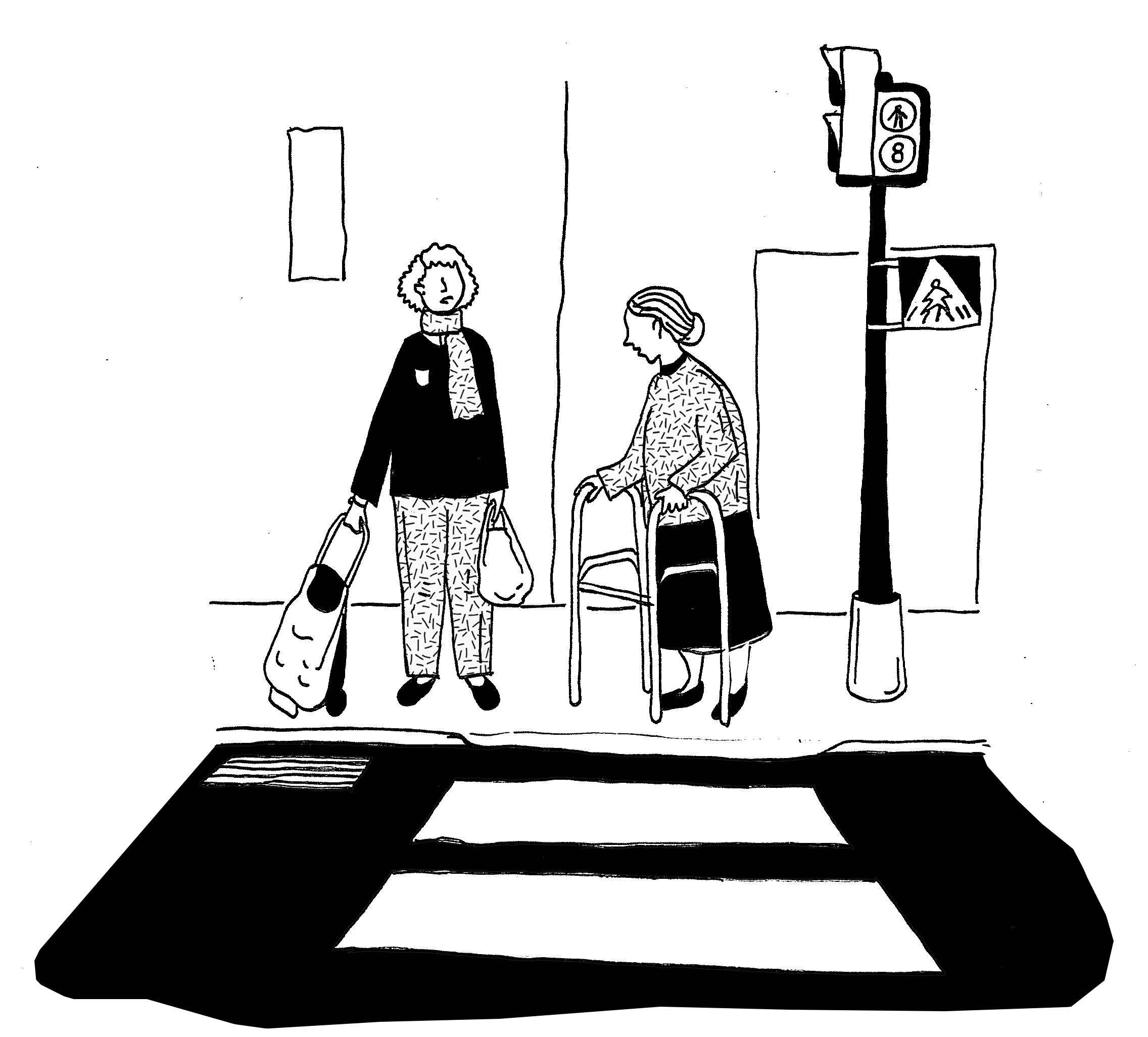
The surveys highlighted significant barriers affecting women’s mobility in the city:
- 48% of trips are related to caregiving
- 88% of women providing care do not use public transportation
- 61% alter their routes due to feelings of insecurity
- 82% of women in rural areas do not use bicycles
Read the Key Findings of the surveys.

Insights from the participatory workshops
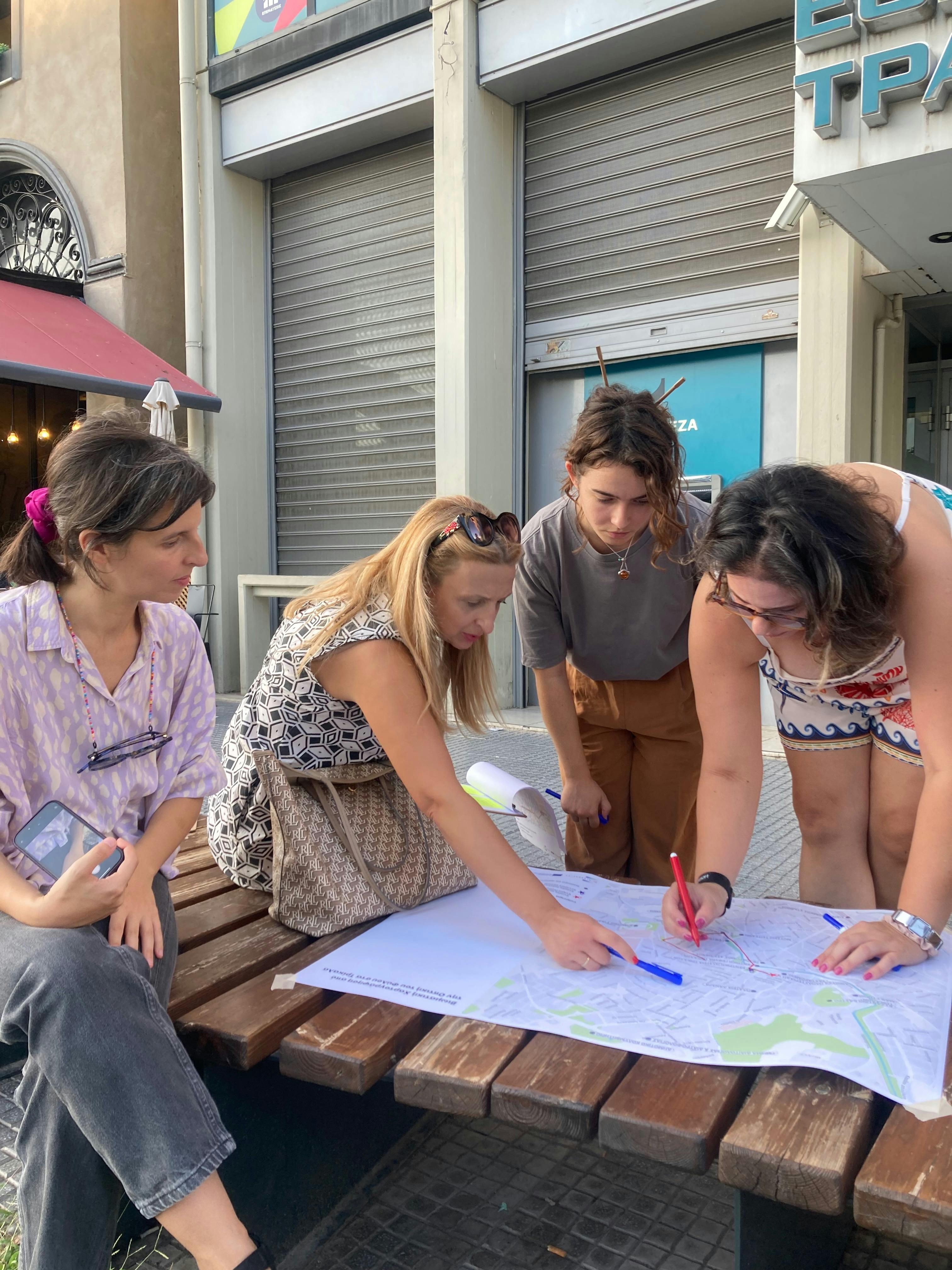
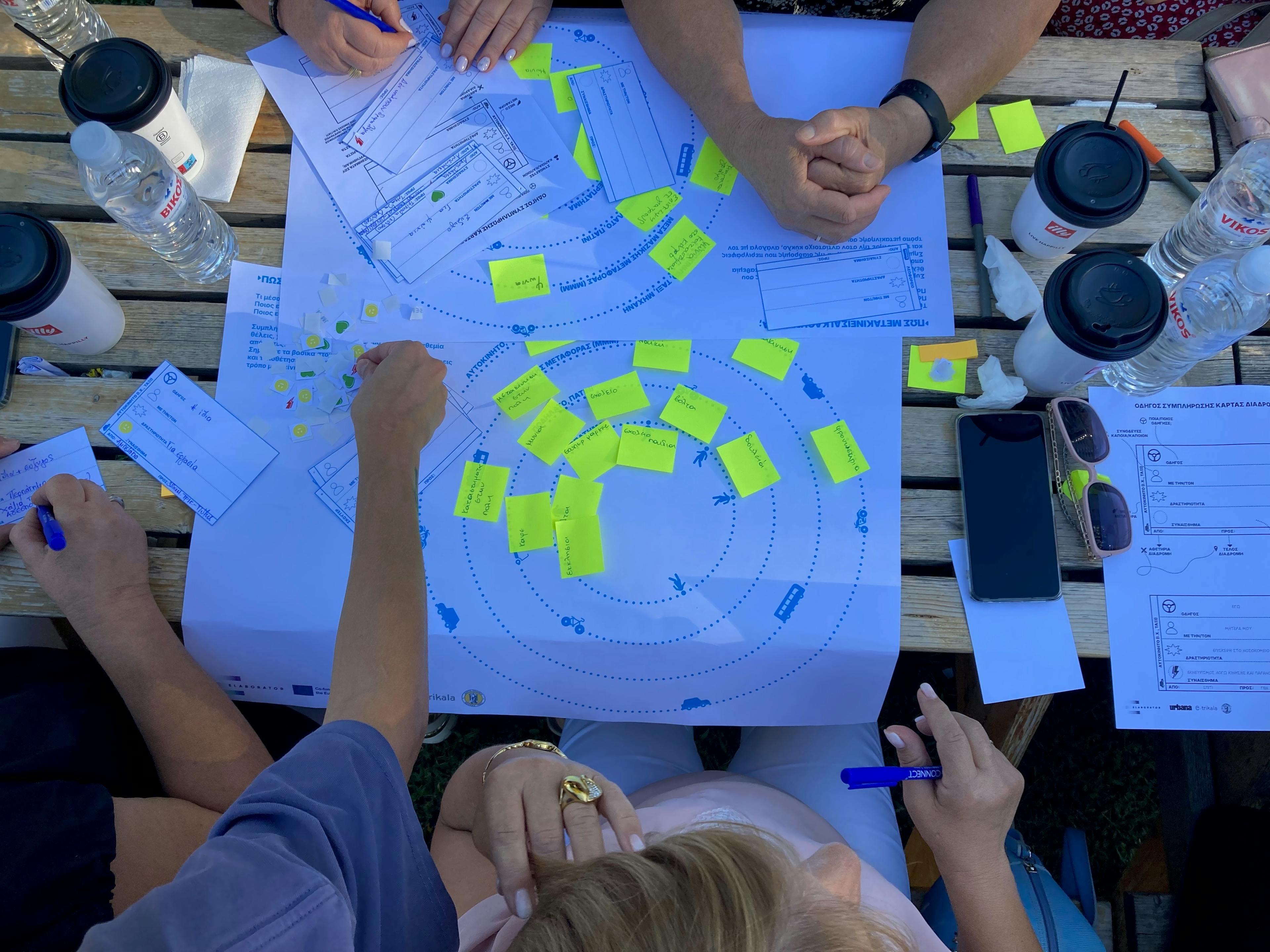
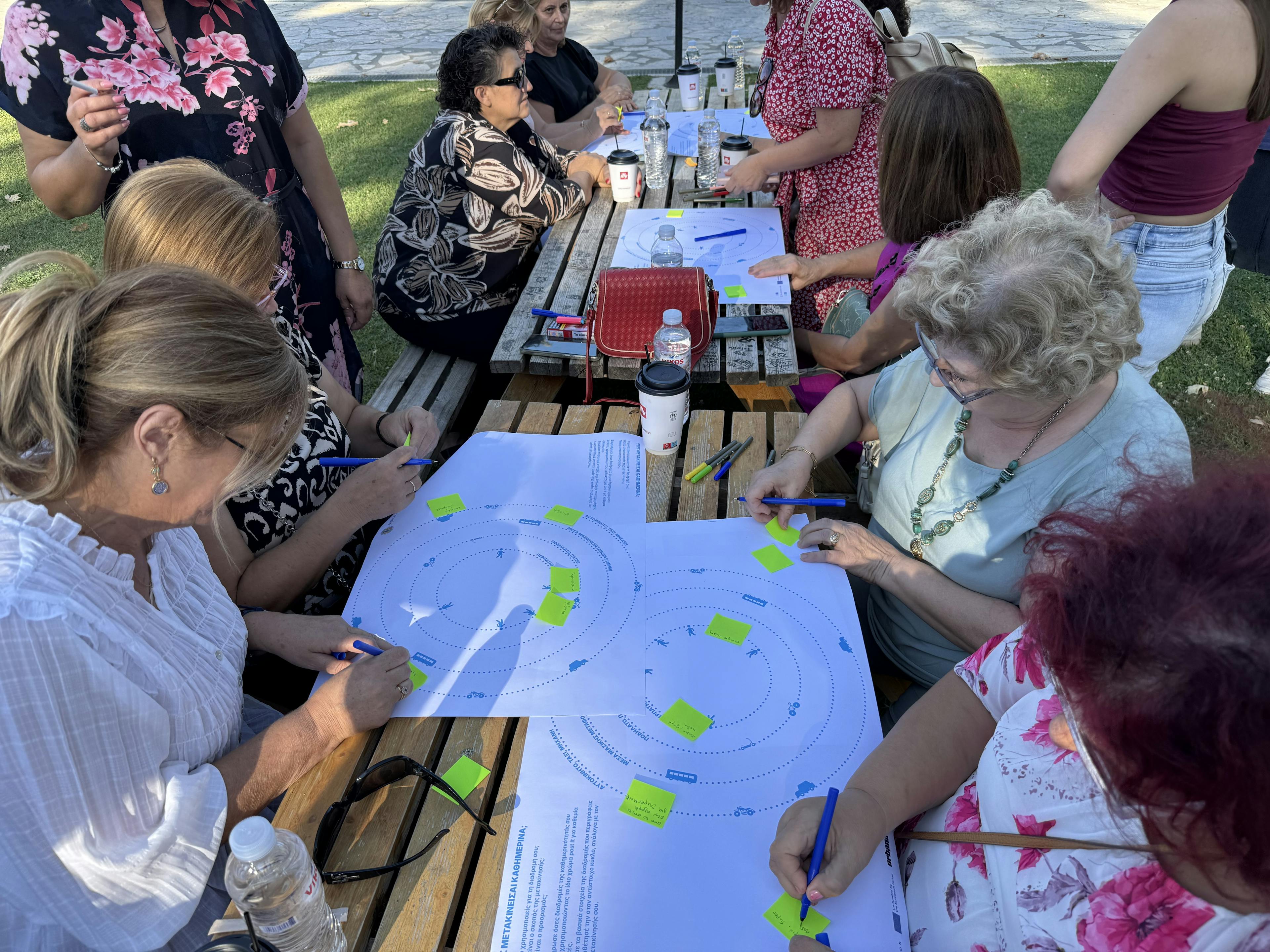
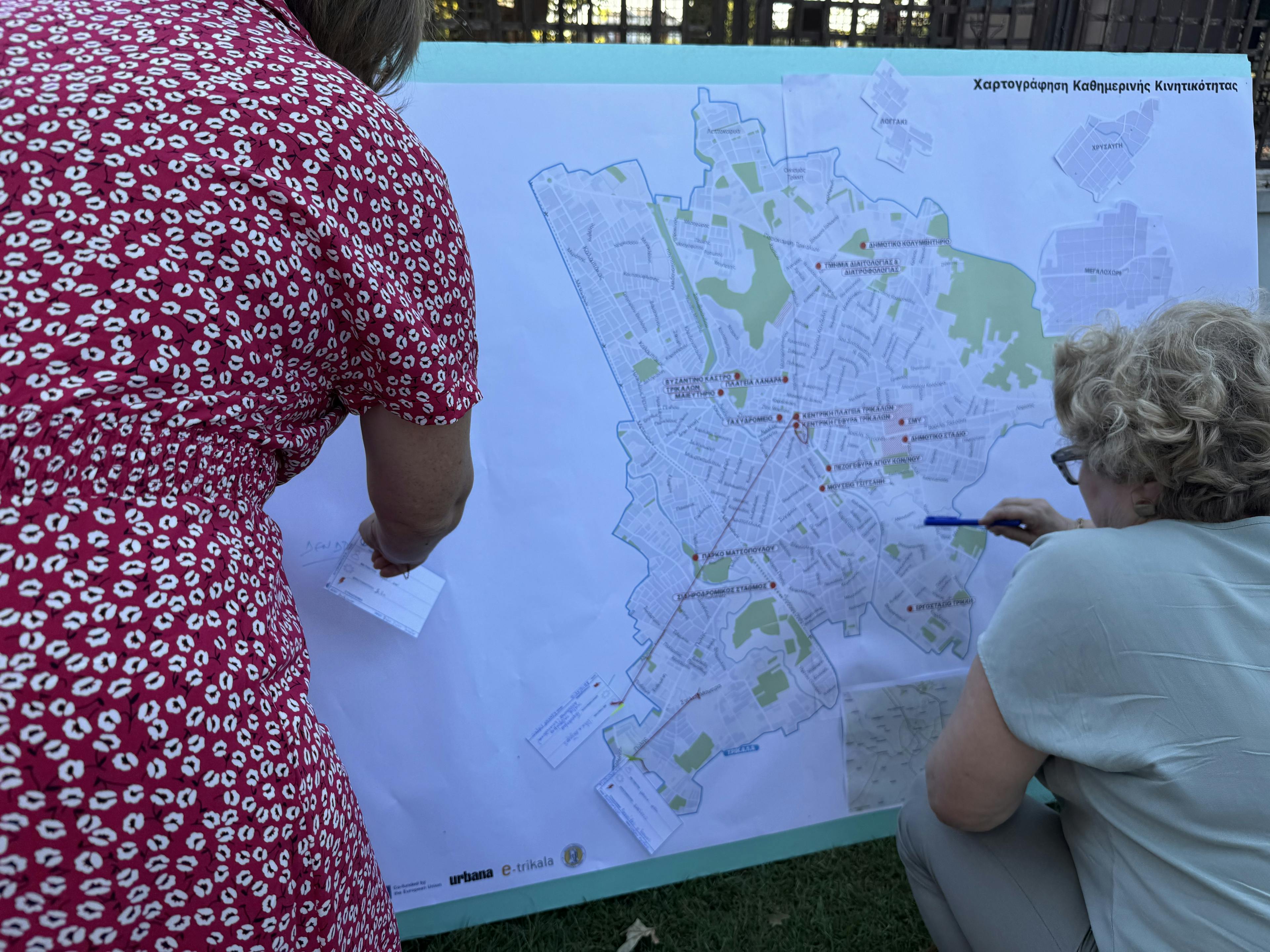
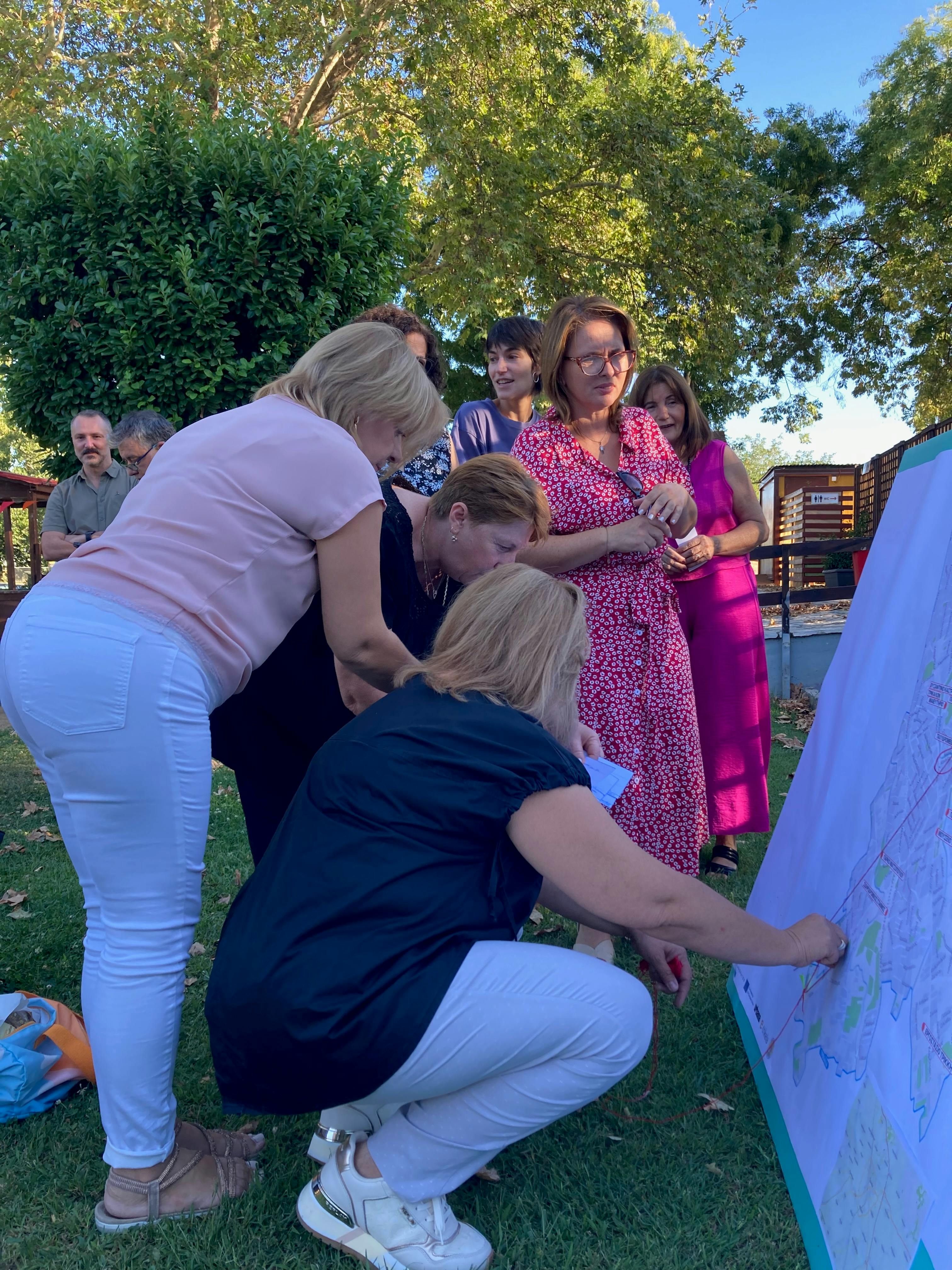
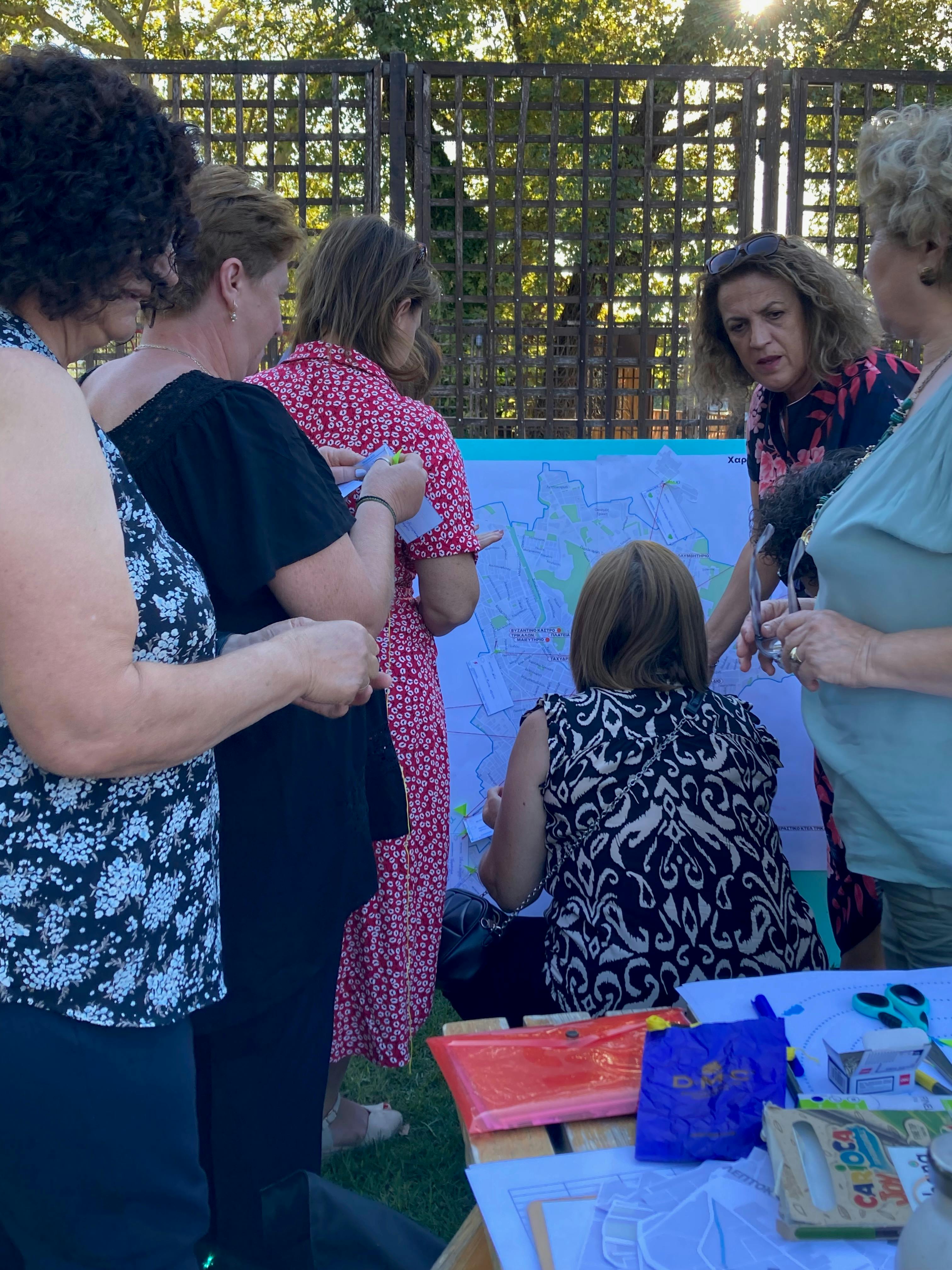
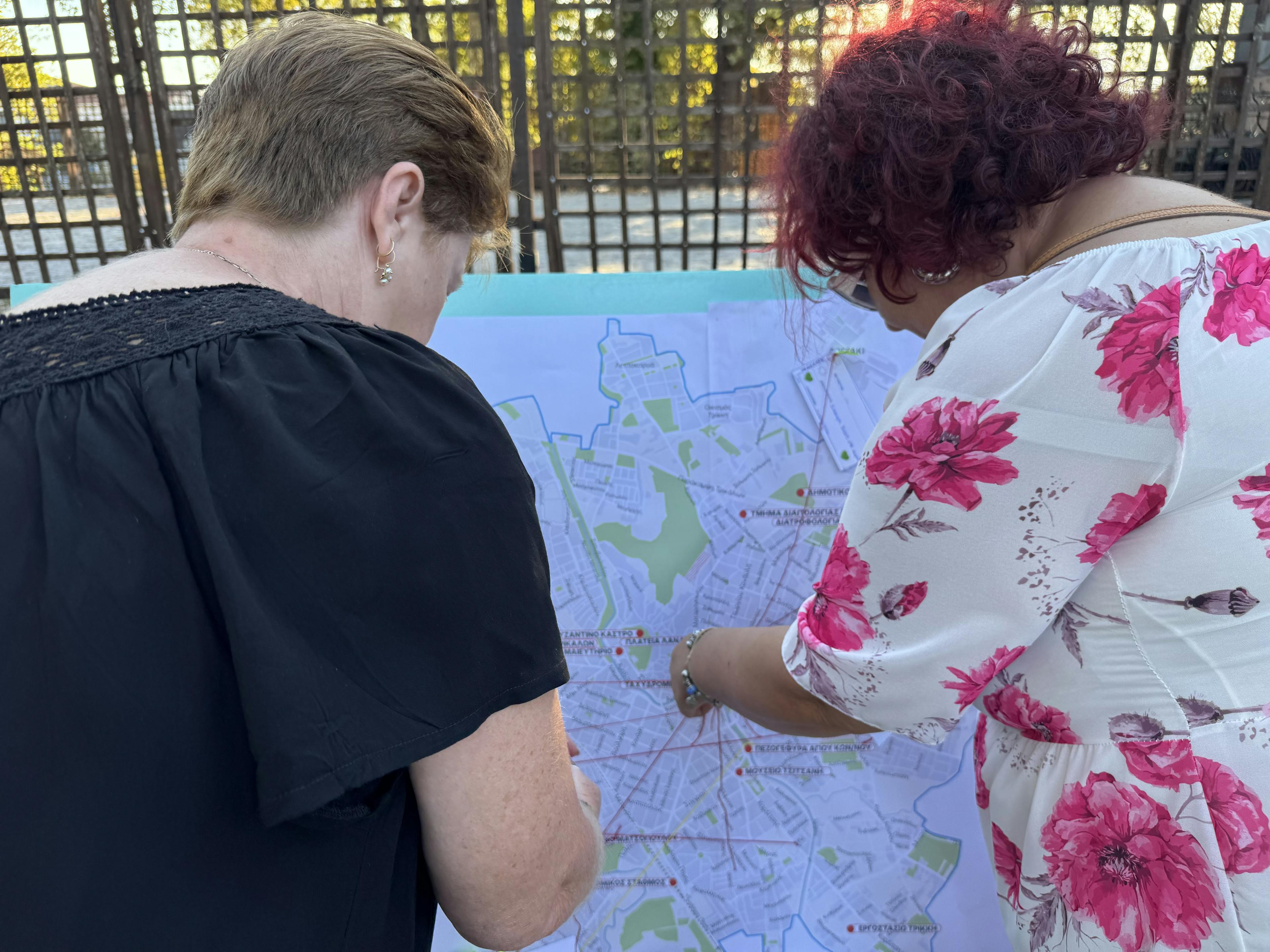
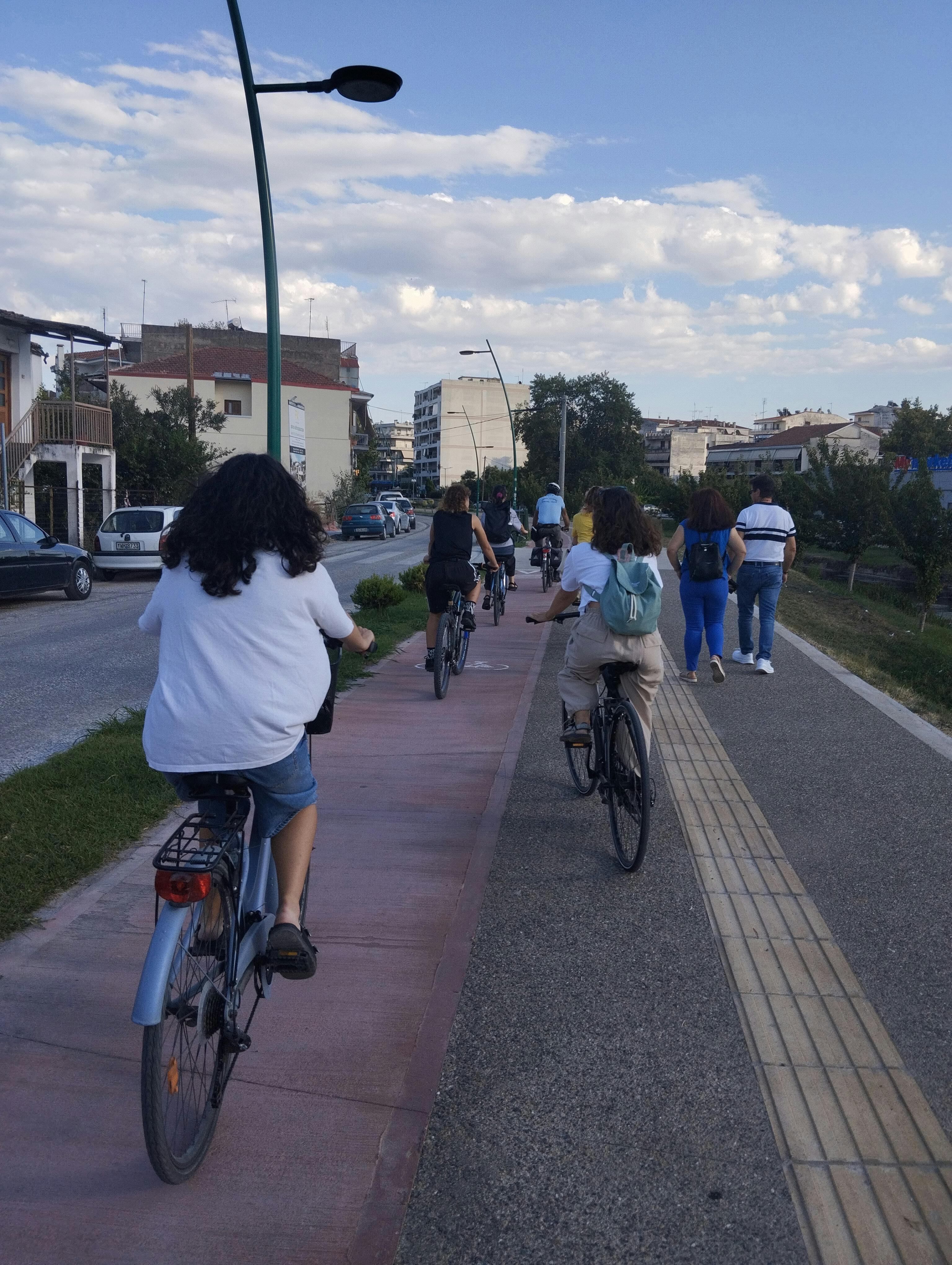
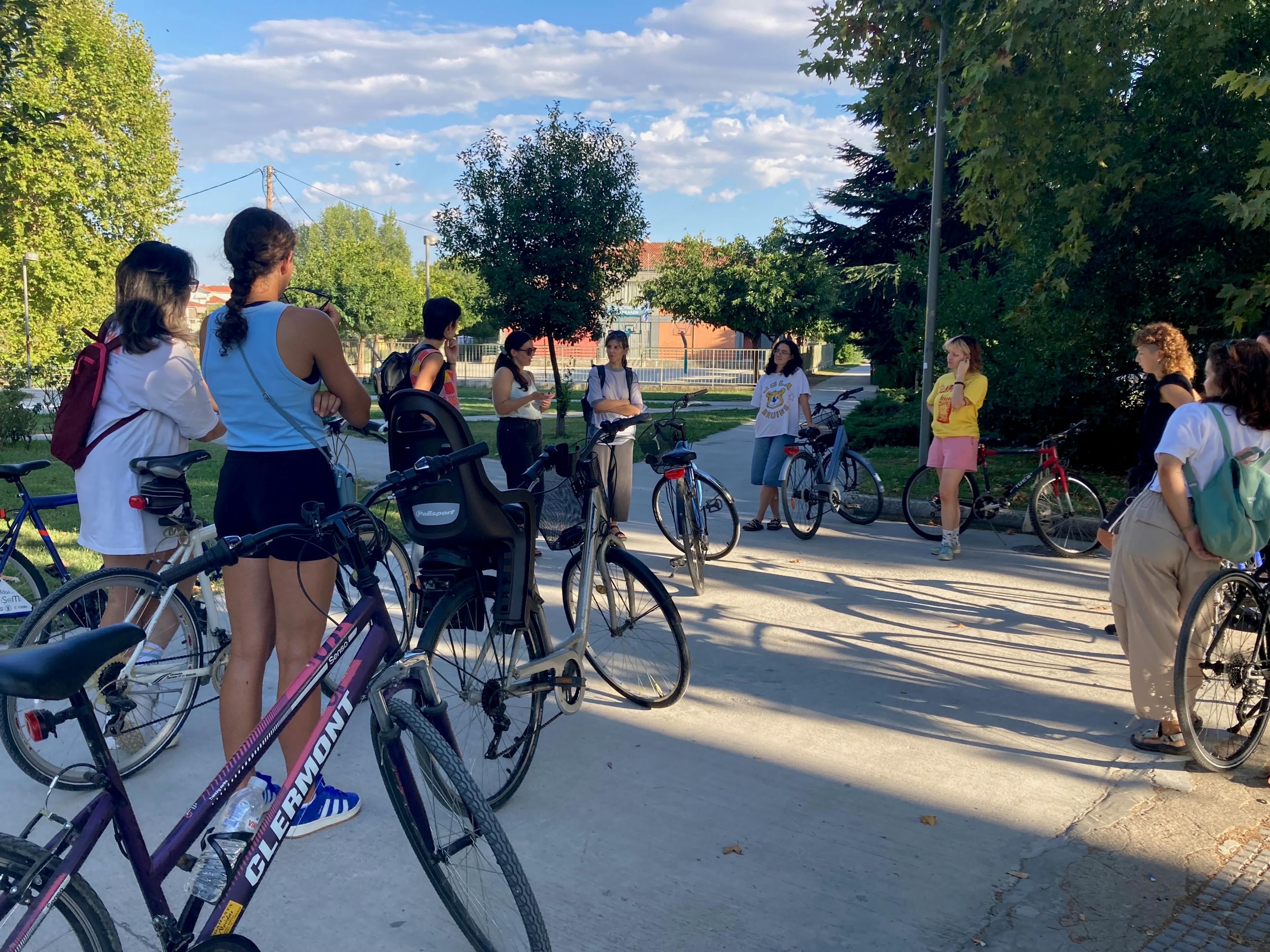
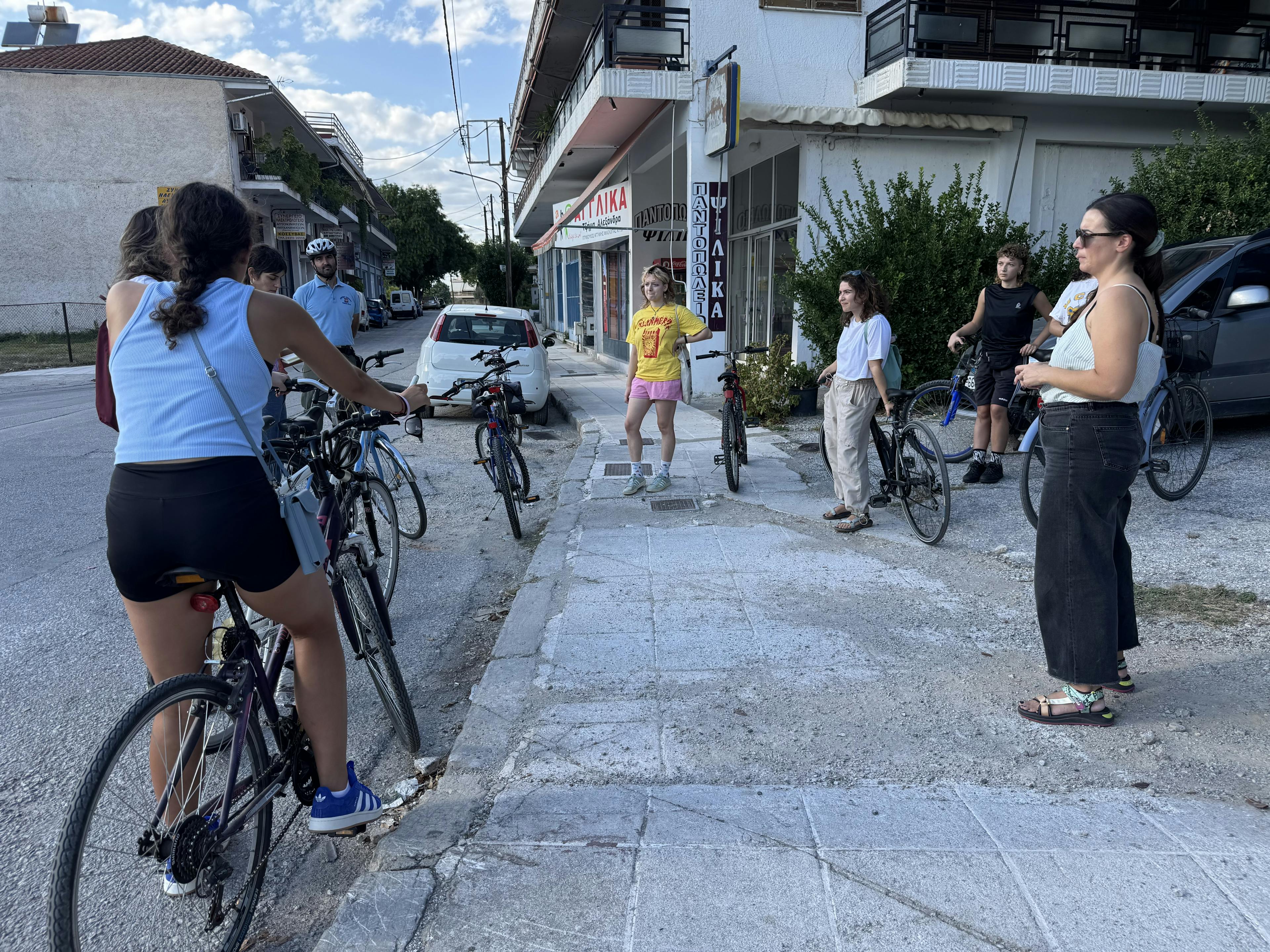
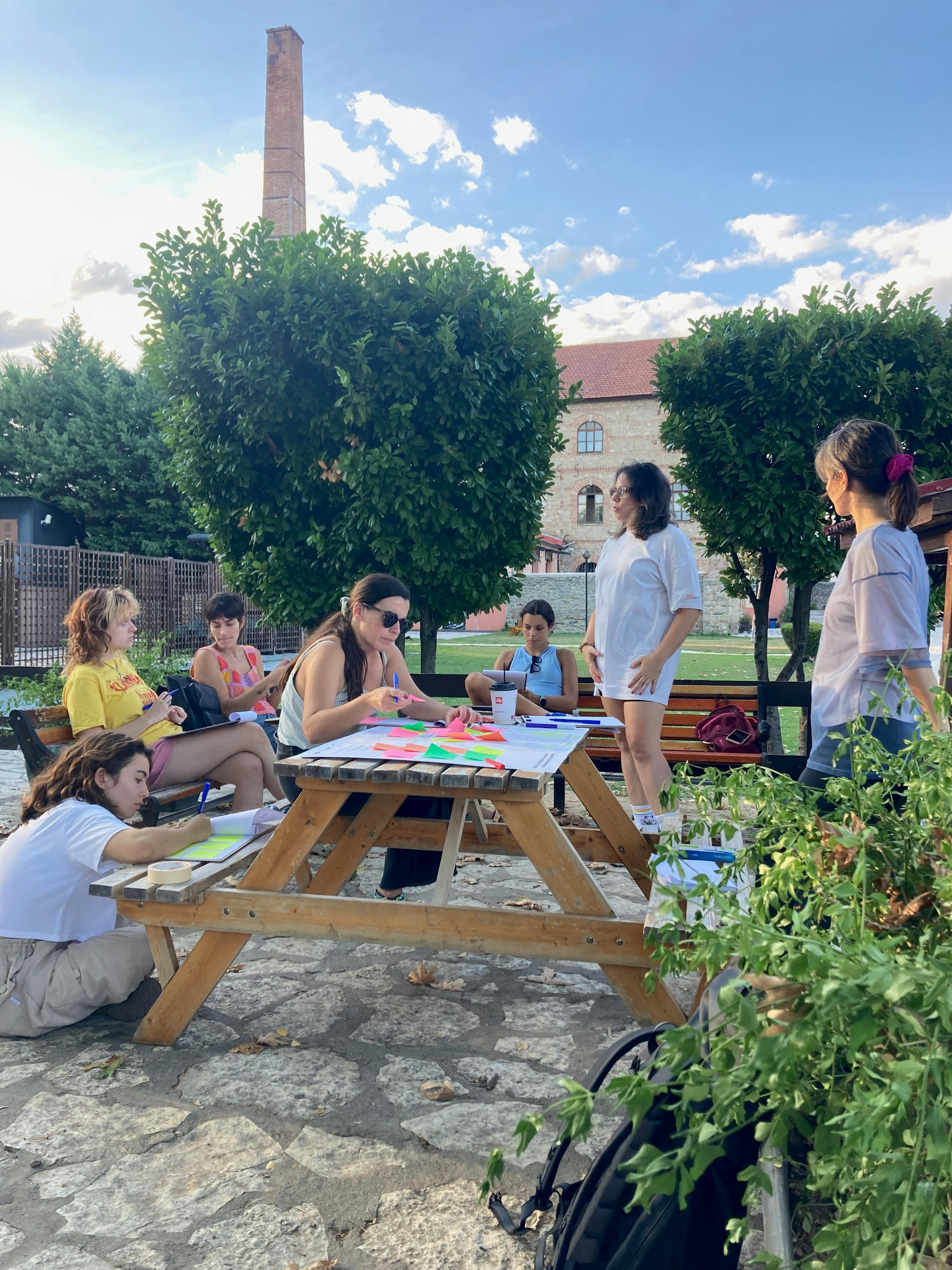
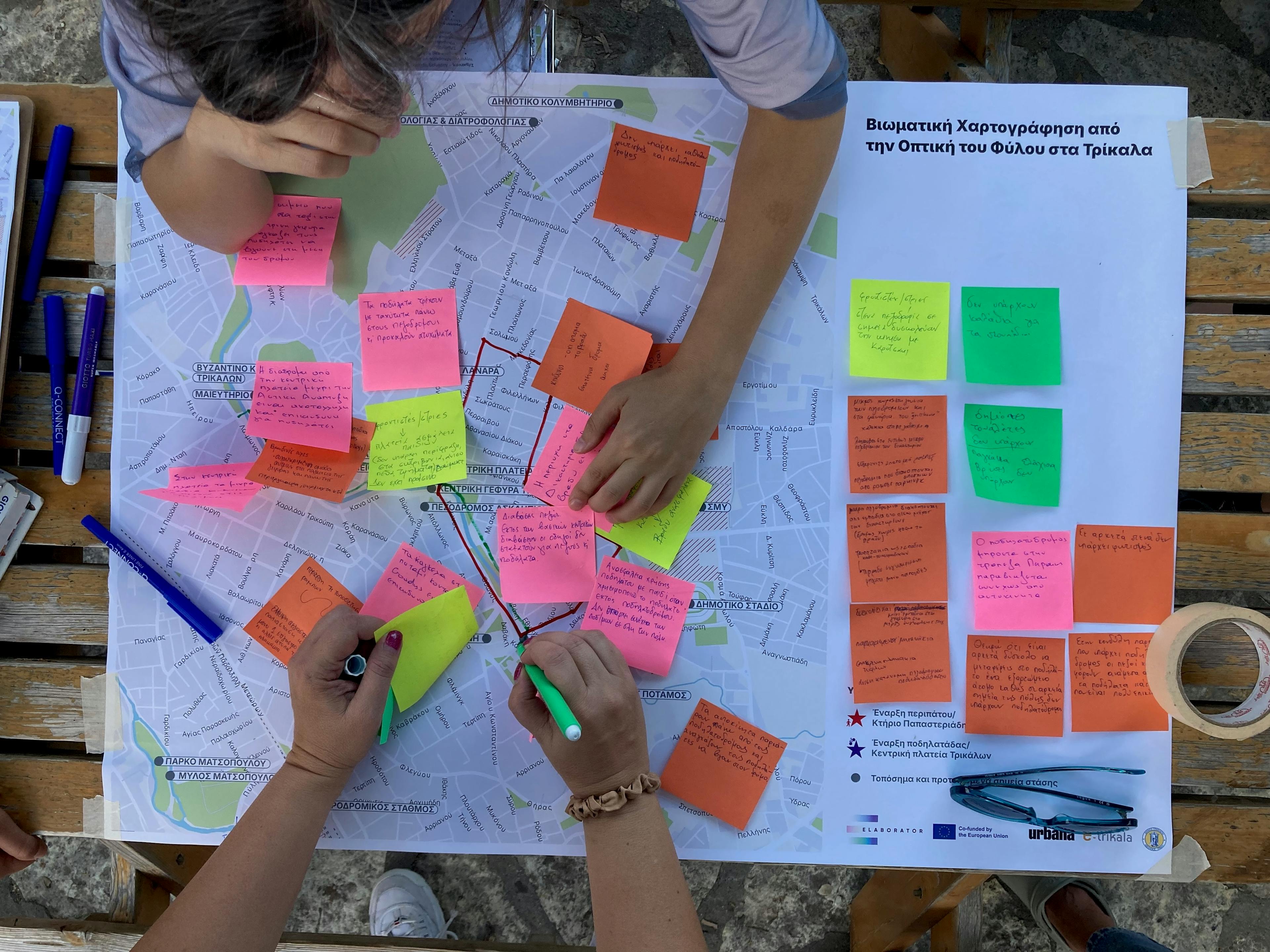
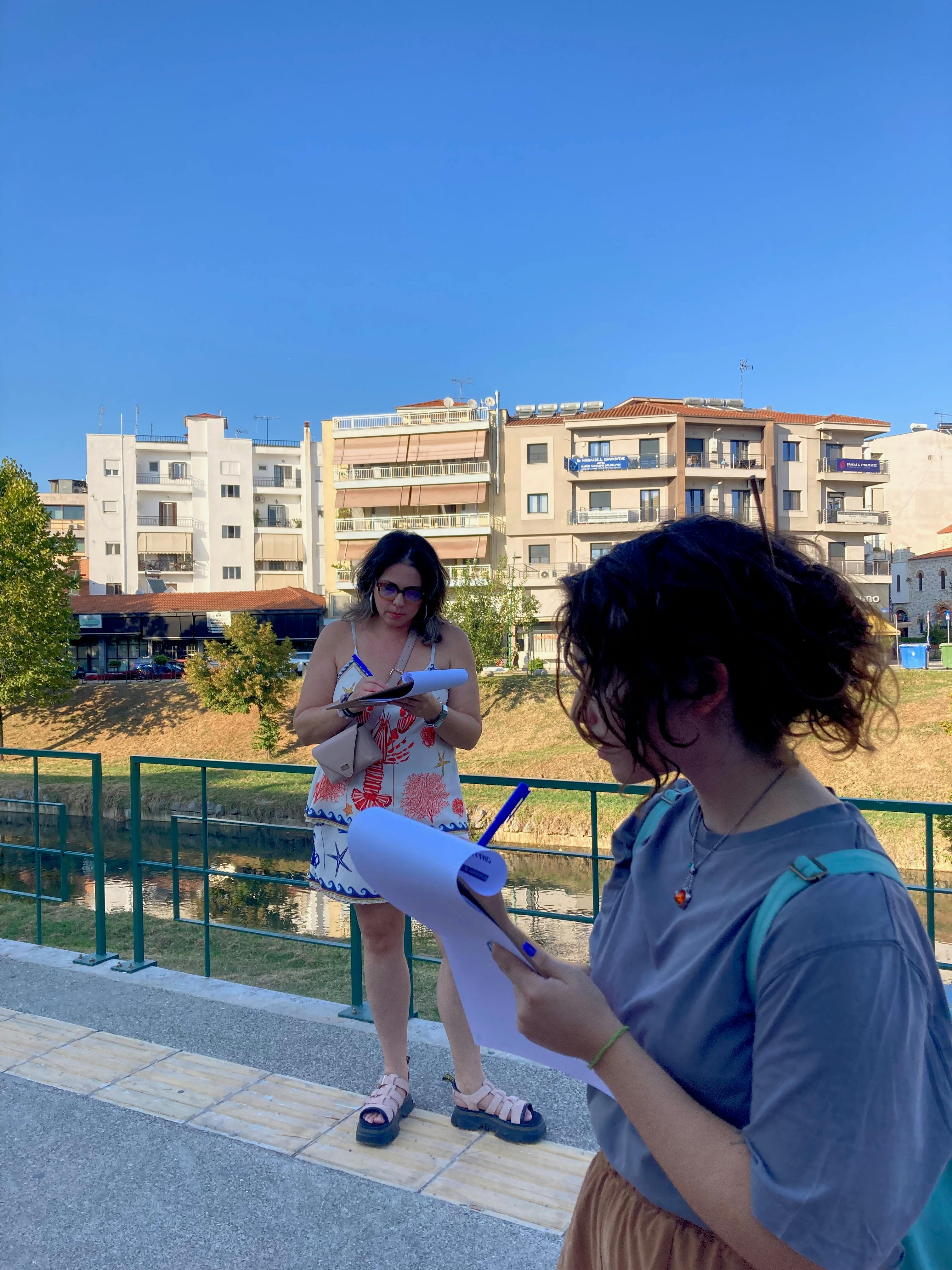
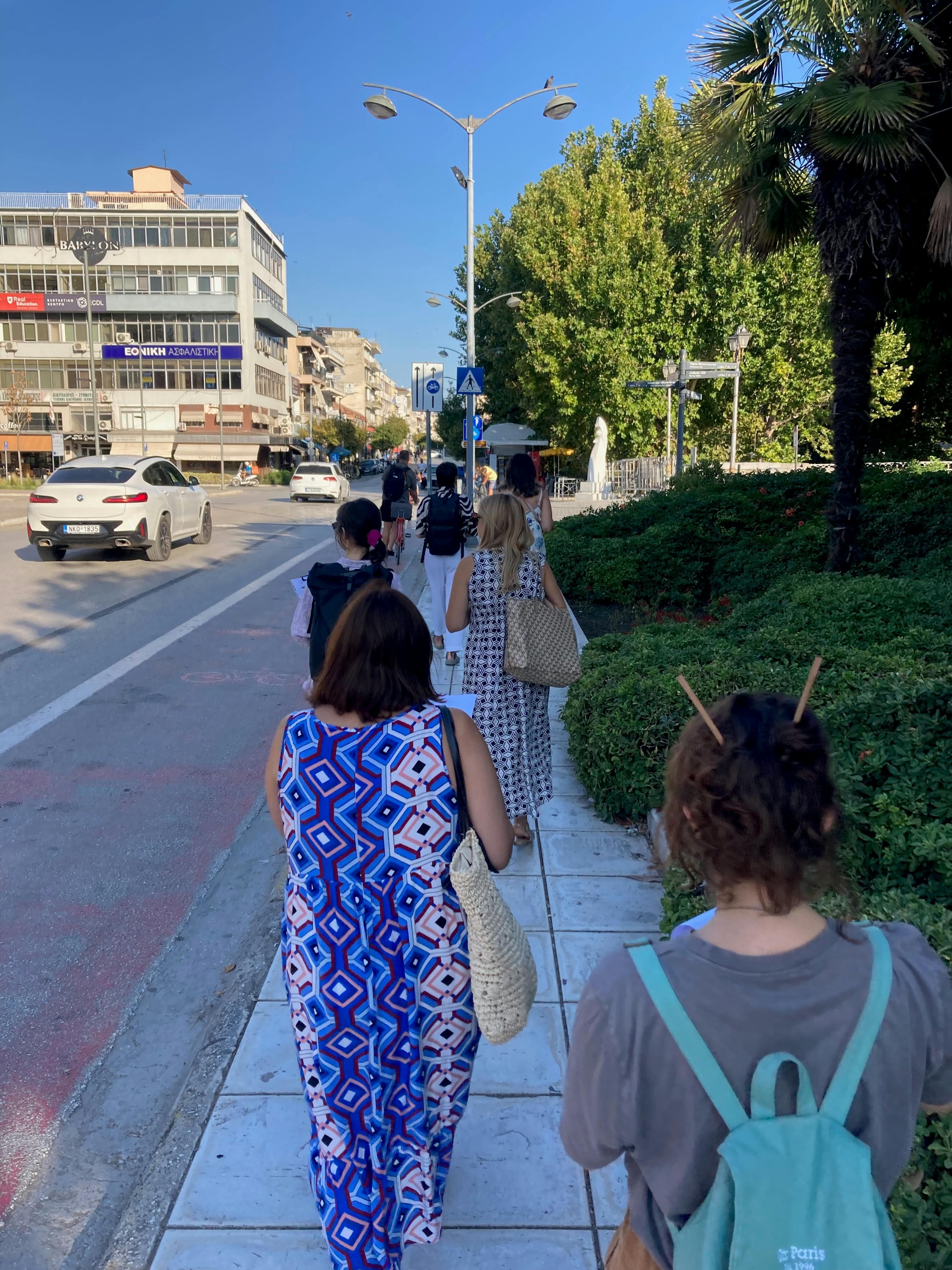
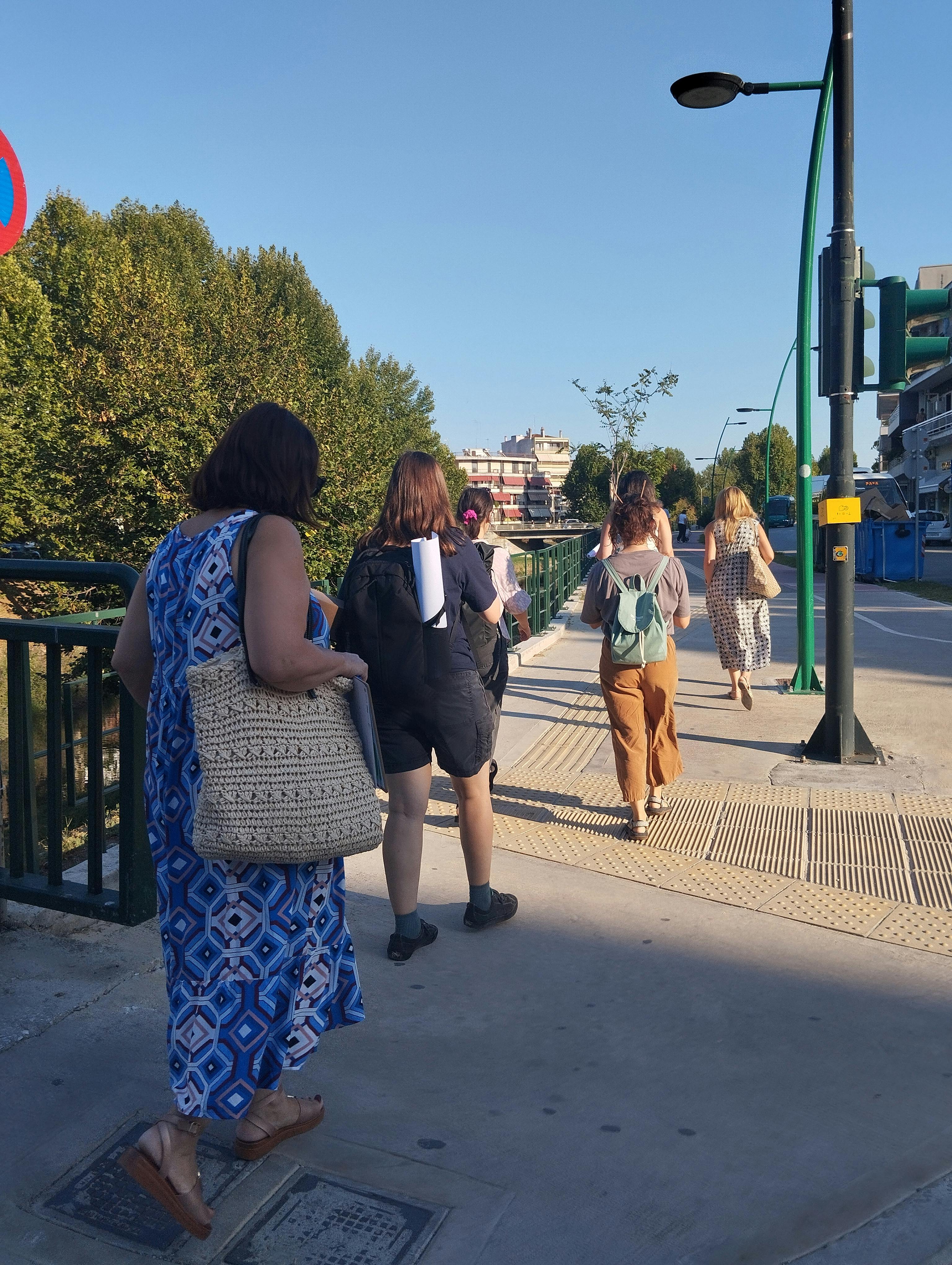
Building on these findings, URBANA and e-Trikala S.A. co-organised 4 participatory workshops with women from Trikala, its villages, and peri-urban areas. Through exploratory walks, cycling tours, and collective mapping exercises, participants shared their lived experiences and envisioned safer, more inclusive mobility futures.
The workshops concluded with a dialogue session involving municipal stakeholders, where participants’ perspectives informed discussions on priorities for more inclusive mobility strategies.
These sessions highlighted the value of designing mobility through women’s lived experiences - ensuring cities are not only sustainable and climate neutral, but also caring and inclusive.


Sharing knowledge across Europe
Through the project, URBANA contributes to a growing European dialogue on inclusive and sustainable mobility by presenting the progress and outcomes of our work alongside fellow project partners at conferences and international events across Europe, including the ITS European Congress, the Transport Research Arena (TRA), and the Conference on Sustainable Mobility (CSuM). Alongside these presentations, we have also contributed conference papers that document and disseminate our work to the wider research and practitioner community. These opportunities allow us to share insights from Trikala, exchange knowledge with researchers, practitioners and municipalities, and reflect on how the project's approaches, tools and lessons can support more participatory, inclusive and transferable mobility solutions in different urban contexts.
The Roadmap for inclusive and gender-aware mobility: From evidence to strategies
The “Roadmap for inclusive and gender-aware mobility” is now finalised! Building on the ELABORATOR Inclusion Plan and participatory research conducted with women in Trikala, the Roadmap translates research findings and lived experiences into strategic proposals and a gender-aware mobility audit.
Although grounded in the Trikala context, the Roadmap offers policy and infrastructure recommendations that can also inform other medium-sized cities and mobility stakeholders seeking to embed gender-inclusive principles in their planning processes.
Read the Roadmap for inclusive and gender-aware mobility here.
Stay up to date with ELABORATOR
For more information and the latest ELABORATOR updates, visit the project’s website and follow the project on X and LinkedIn.
Period: June 2023 – December 2026
The project is a Horizon Europe research and innovation funding program by the EU, under the Call: HORIZON-MISS-2022-CIT-01 (Research and Innovation actions for support the implementation of the Climate Mission) neutral and Smart Cities (GA ID: 101103772).
ELABORATOR is part of the CIVITAS Initiative and contributes to the goals of the EU Mission: Climate-Neutral and Smart Cities